
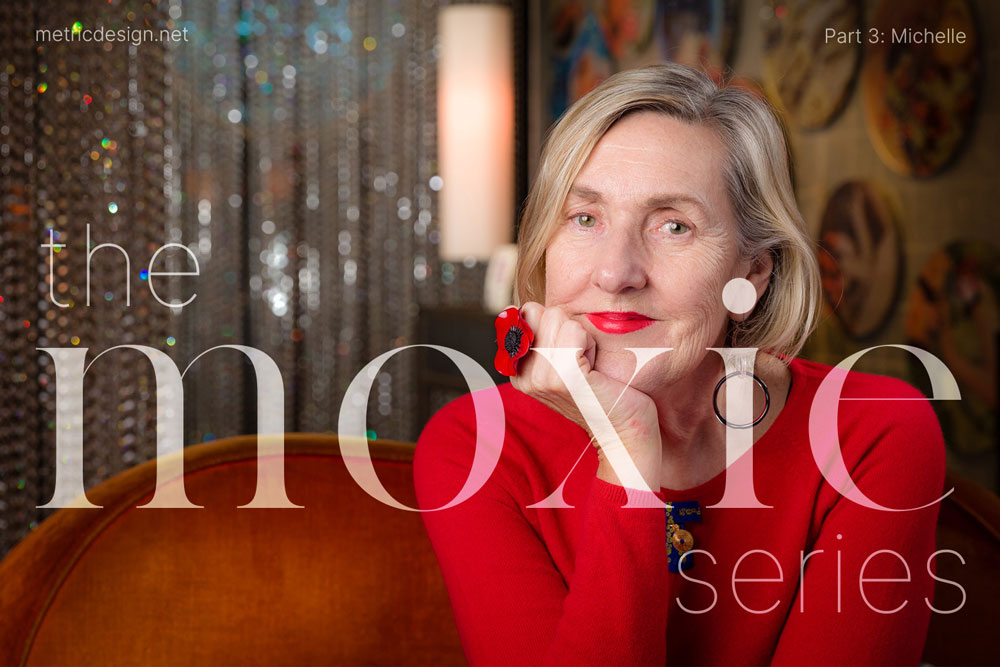
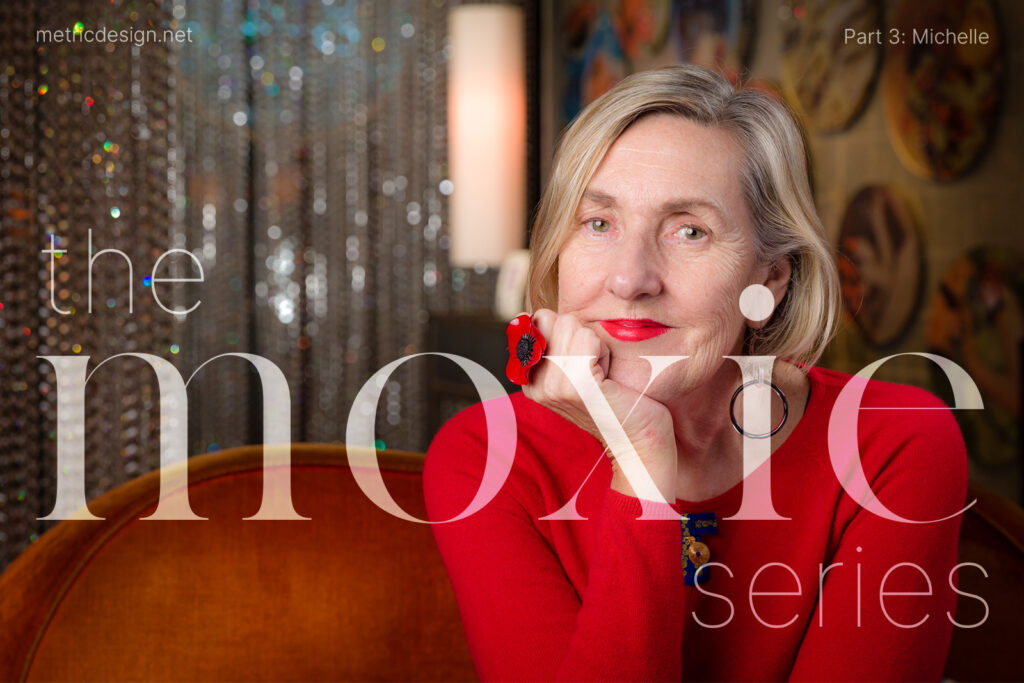
The Moxie Series: Michelle Garnaut
10 min read
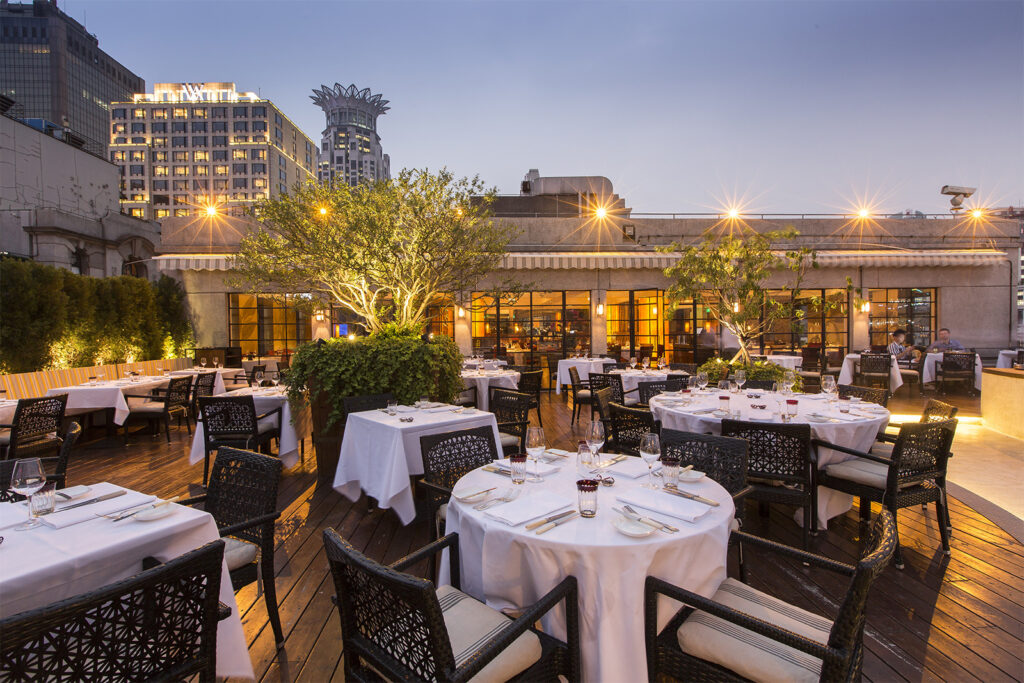
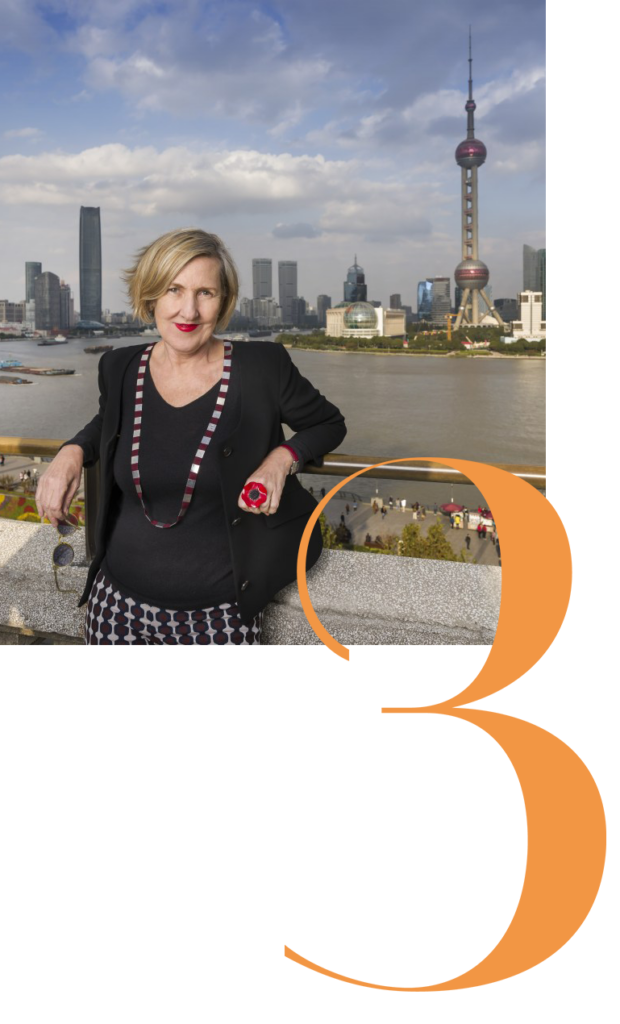
Michelle Garnaut is an Australian restaurateur who has led restaurants in Shanghai, Hong Kong, Beijing. Her iconic Shanghai restaurant, M on the Bund, pioneered eateries on the historic Bund and celebrated its 20th anniversary last year.
Michelle Garnaut是一位澳大利亚餐厅老板,曾在上海,香港和北京领导过餐厅。 她在历史悠久的外滩开创了标志性的上海餐厅 — 外滩M号,并于去年庆祝了其成立20周年。

Why did you decide to start your restaurant business in China, and not your native Australia?
Well, I left Australia in the late 70s, and I have lived in Hong Kong since the mid 80s, and I opened a restaurant in Hong Kong in 1989. I first went to Shanghai in the mid 80s, and loved Shanghai from the first minute I put foot on that soil, I thought, “Wow, this is just a really exciting place.” I think Shanghai actually has an allure, a sort of appeal, there’s something sort of deep and mysterious about the word “Shanghai,” so I think I had more of an idea about Shanghai than I did for any other place in China. I didn’t know very much about China. Basically, growing up, China was very closed, nobody knew very much about China at all.
About the mid 90s, I was back in Shanghai, maybe because I saw the changes between 1990-1995, that I thought there was opportunity in China. I felt in the mid 90s, from running a business in Hong Kong, that China was the future, which might’ve been considered quite controversial at the time. If you don’t like it, then there isn’t a place for you. If you do, embrace it and do something with it. Everybody at the time thought I was crazy to go to China; it was still an unknown quantity on an international platform, it was considered a Third World, undeveloped country with too many people in it. It was a brave thing for me, and for anyone, to go into an unknown market. Because I didn’t feel uncomfortable around China, having lived in Hong Kong and been surrounded by Chinese people, I felt comfortable and there was opportunity and the future for our area was basically in China.
您为什么决定在中国而不是您的祖国澳大利亚开始餐饮业务?
我是70年代末离开澳大利亚的,从80年代中期起我就住在香港,1989年我在香港开了一家餐馆。我80年代中第一次去上海,从一开始就爱上了上海。我踏上那片土地时想:“哇,这真是一个令人兴奋的地方。” 实际上,我认为上海有一种魅力,一种吸引力,“上海”这个词有点深奥而神秘,所以我想我对上海的了解要比在中国其他任何城市都多。 我对中国不太了解。从小到大,中国都 非常封闭,没有人对中国非常了解。
大约在90年代中期,我回到上海。也许是因为我看到了1990-1995年间的变化,所以我认为中国充满机会。 我在90年代中期从在香港经营业务开始,就感觉到中国就是未来。看起来,那时候这可能是很大的争议。如果您不喜欢它,那就没其它选择了。 如果您喜欢,那就拥抱它并为它做点什么。 当时每个人都认为我去中国是疯了。 在国际平台上,中国仍然是一个未知数,它是一个第三世界,一个人口过多的不发达国家。对我和大都数的人来说,进入一个不明确的市场需要很大勇气。我在中国生活并没有不适感,我也曾经生活在香港并被中国人围绕着,我感到舒适并且这里充满机会,我们的未来基本上都在中国。

What were the initial challenges of running your business in a foreign country?
Ah! Millions, millions! There were so many, I can’t even begin to remember them all. There were some things that were easier. We were paving a new road, because there really weren’t independent western restaurants, it was a whole new concept. The advantages were that you could sort of write the rulebook. I mean, you couldn’t actually write the rulebook, there were fire regulations and hygiene bureau regulations, but they weren’t as rigid or formed as they are now. It was much easier to work around the framework and everyone was very good to help.
In a lot of ways, there were things that were easier, but in other ways, it was so difficult, because there was so much I didn’t understand. So, the challenges were enormous. There was much more leeway at the time for minor and petty corruption, so we had to be really careful not to get caught up in that. Now, we don’t have to deal with this corruption. Back then, there wasn’t a rulebook, and you had to have connections to do anything and pay for those connections! Now, if you want a telephone line, there’s a system. Back then, we had to know somebody to get the telephone line and pay 8,000 to 10,000 RMB. But within 6 months of opening, the actual cost dropped to only 400 RMB, which just goes to show the speed of China’s progress. There were many, many challenges in the beginning that you just wouldn’t have if you opened a business now.
But on the other hand, because there was something new happening, it was much easier to talk to people. I mean try now, calling the head of the Commercial Bureau of Shanghai District. Forget about it! Whereas then, I probably had the guy’s telephone number. Because they wanted this to happen, too. They were keen for this new thing. The challenges were enormous, but in some ways, things were easier.
在国外开展业务的最初挑战是什么?
啊!太多太多了!多到我甚至不知从哪里讲起。有些事情比较容易。我们正在铺路,因为实际上这里没有独立的西餐厅,这是一个全新的概念。优点是您可以编写规则。我的意思是,您实际上无法编写规则,其中有消防法规和卫生局法规,但是它们不像现在这样僵硬或结构化。围绕框架进行工作要容易得多,而且每个人都非常乐于助人。
在很多方面,有些事情比较容易,但是在其他方面,则是如此困难,因为太多事情我都不了解。因此,挑战是巨大的。当时对小额贪污仍保留些余地,所以我们需要很小心避免哪些情况。现在,我们不必处理这种事情。那时没有规则手册,你必须要有关系才能执行操作并为此付费!现在如果您想要一个电话,可按照规则获得。但那时,我们必须结识某个人才能获得电话线并为此支付8,000-10,000元人民币。但是我们开门六个月内,实际费用下跌到400元人民币。这就表现中国发展的快速。而现在,您不会面对像当时开展业务初期遇到的那么多挑战。
但是另一方面,由于发生了新的事情,与人交谈变得容易得多。我的意思是现在可以尝试给上海市商务局局长打电话。算了吧!那时,我大概有那个人的电话号码。因为他们也希望这种情况发生。他们热衷于这种新事物。这挑战是巨大的,但在某些方面,事情要容易一些。
How has running a restaurant in Shanghai differed from your experiences in Hong Kong and Beijing?
We opened the restaurant (M at the Fringe) in Hong Kong in 1989, in ‘99 we opened Shanghai after spending 4 years trying to do it, and in 2009 we finally opened in Beijing (Capital M) after spending 7 years preparing. Hong Kong was closed in 2010 because we lost the lease on the building, and Beijing I closed after 8 years, because I found it was too difficult to operate. It was not that the government was difficult, it was that the location was perfect, but wrong. The oldest rule in the restaurant business is location, location, location! The location in Beijing was wrong because it was extremely difficult to get to. It was beautiful because it looked onto the south side of Tiananmen Square, and looked on to those beautiful gates, so people would always say to me that Capital M was the most beautiful restaurant they had ever been to in the world. I agree, but it cost a lot of money, probably more than any other idiot had spent on a restaurant. It was very, very difficult to get to. It was difficult to park, it was on a building site… So, that’s one of the reasons I closed, I knew it was going to be difficult going forward.
But yes! I had a restaurant in Hong Kong, I knew Hong Kong well, but it was a very small restaurant, it only had 60 seats. When we opened M on the Bund, it had 120 seats inside and 100 seats outside, so that was more than three times the size, and it was terrifying. Hong Kong was a well established market and I knew it well, having lived there for five years by the time we opened. I had worked in restaurants and knew lots of people, and had a base of clients who knew me and my reputation. In Shanghai, there was much more movement between Hong Kong and Shanghai at the time, so we had the international community who knew us. Hong Kong had a strong, civil society with tons of rules and regulations, so it was a different experience. When we opened in Hong Kong, we were doing something quite pioneering because there wasn’t much independent, mid-level fine dining. We were considered high end, but we weren’t a five-star hotel or fussy, and fussy is what I didn’t like. I didn’t want to be surface and snobby. Hospitality has not to do with snobbery, but with inclusion, rather than exclusion. I think that’s a very essential point for me.
在上海经营餐厅的经历与您在香港和北京何不同?
我们于1989年在香港开设了餐厅(M在艺穗坊),在99年,我们经过4年的尝试在上海开设了餐厅,并经过7年的准备终于于2009年在北京(首都M)开设餐厅。香港的餐厅在2010年关闭,因为我们断了建筑物的租约,而在8年后我关闭了北京的餐厅,因为我发现经营管理太难了。不是因为政府困难,而是虽然地点完美,但却是错的。餐饮业中最古老的规则是位置,位置,位置!在北京的位置是错误的,因为很难到达。它之所以美丽,是因为它可以眺望天安门广场的南侧,并望向那些美丽的大门,因此人们总是对我说,Capital M是他们去过的最美丽的餐厅。我同意,但是为此花了很多钱,可能比其他白痴在餐厅花的钱还多。这里非常难进入,停车很困难,因为在一个建筑工地边上……所以,这就是我关闭的原因之一,我知道这将会很困难。
但是,是的!我在香港有一家餐厅,我对香港很了解,但这是一家很小的餐厅,只有60个座位。而当我们在上海的外滩进入M时,它的内部有120个座位,外部有100个座位,所以它的大小是香港的三倍多,而且非常惊人。香港是一个成熟的市场,我很了解,我们开业时已经在香港生活了五年。我曾在餐厅工作过,认识很多人,并且有一批了解我和我声誉的客户。在上海,当时香港和上海之间有更多的往来,因此我们熟悉我们的国际社群。香港有一个强大的公民社会,有成千上万的规则和法规,因此是不同的经历。当我们在香港开业时,我们做的是相当开创性的工作,因为那里没有很多独立的中层高级餐厅。我们被认为是高端酒店,但我们不是一家五星级酒店,也不是挑剔的人,我不喜欢挑剔的人。我不想变得浮躁。款待与势利无关,是包容,而不是排斥。我认为这对我来说是非常重要。

Is location the secret to M on the Bund’s long lived success?
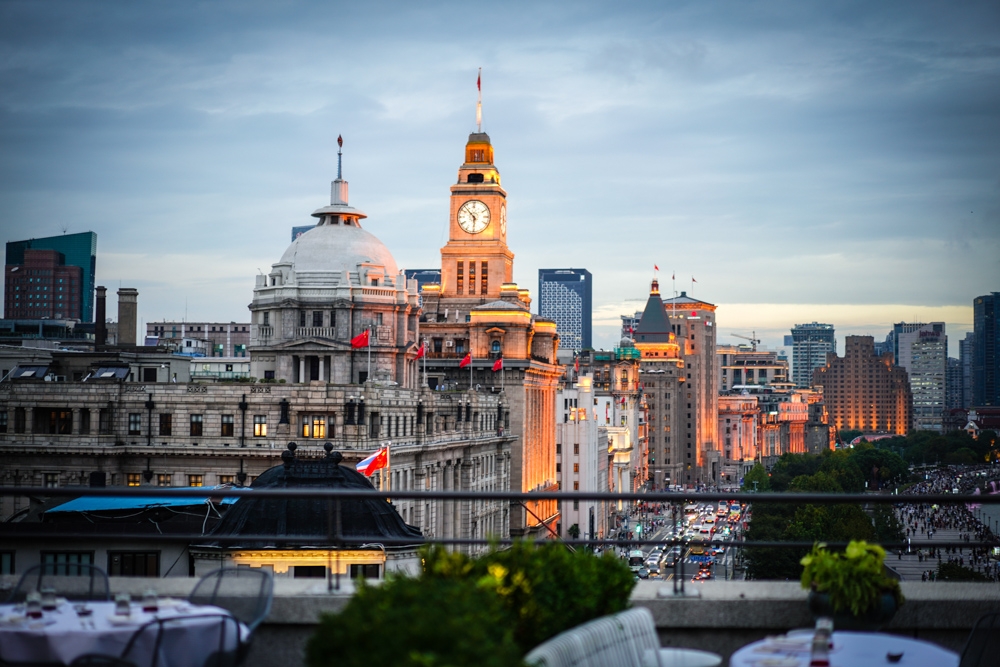
When we opened M on the Bund, the location actually went against it. There wasn’t any activity on the Bund at all; there was nothing. The general feeling in 1999 was that nobody would ever go to the Bund. People said, “Nobody sophisticated is going to go to the Bund for dinner, nobody!” The French Concession was the center of the city, and there was the Portman Hotel, the Garden Hotel, and the Hilton Hotel. The common idea was that anything you wanted to open had to be within 5 minutes of this triangle of hotels. It took an hour to get from the Portman Hotel to the Bund. The highway and metro didn’t extend to the Bund, so you had to drive through all of the traffic, and it was chaos. It took forever to get down there.
So before we opened, a friend of mine said to me, “All those people who think that there is nothing outside that triangle do not understand that the central government’s plan is to build Shanghai and turn it into an international city, and the Bund will be in the middle. The whole focus of Shanghai is changing, but the development of the city is spreading, so the Bund will once again come back into some sort of play.” So, I had that idea in my head, but most people didn’t really know that.
So, yes the location was important, but at the time the location went completely against it. I think I just listened to the information and sort of crossed my fingers and said a prayer that it would work. The whole Bund transformed while we were open, and we were the pioneers of a transformation of the Bund. We were very successful, and I think in many ways we were the right thing, at the right place, at the right time. Because we were easily accessible to an international community, the whole world started to look towards China, and we were the success story. What was really happening was this transformation of the city. And luckily, we were in the perfect spot to show that transformation.
M的成功秘诀是因为在外滩吗?
当我们在外滩进入M时,位置实际上与之相反。外滩根本没有任何活动;什么都没有。 1999年的普遍感觉是,没人会去外滩。人们说:“没有人会去外滩吃饭!” 法国租界是城市的中心,还有波特曼酒店,花园酒店和希尔顿酒店。普遍的想法是,您想开业的任何地方都必须在这家三角形酒店的5分钟内。从波特曼酒店到外滩花了一个小时。高速公路和地铁都不到外滩,所以您必须开车经过所有车辆,交通十分混乱。过去要花很久时间。
因此,我们开业前,我的一个朋友对我说:“所有认为除那三角形外没有东西的人都不知道中央政府的计划是把上海建设和转变成国际城市,外滩将在中间。上海的整体焦点正在发生变化,但城市的发展正在蔓延,因此外滩将再次恢复活力。”所以,我脑子里有了这个主意,但大多数人并不知道。
是的,位置非常重要,但是当时位置完全相反。我想我只是听了这些信息,然后交叉了手指并祈祷说那行得通。当我们开业时,整个外滩都发生了变化,我们是外滩改造的先驱。我们非常成功,我认为在很多方面,在正确的地点,正确的时间,我们都是在做正确的事情。由于国际社会很容易接近我们,所以全世界开始将目光投向中国,而我们就是成功的案例。所发生的就是城市的转变。我们很幸运地在最佳的地理位置显示这个转变。

As Shanghai and the Bund have changed rapidly in the past 20 years, how has M on the Bund changed with it?
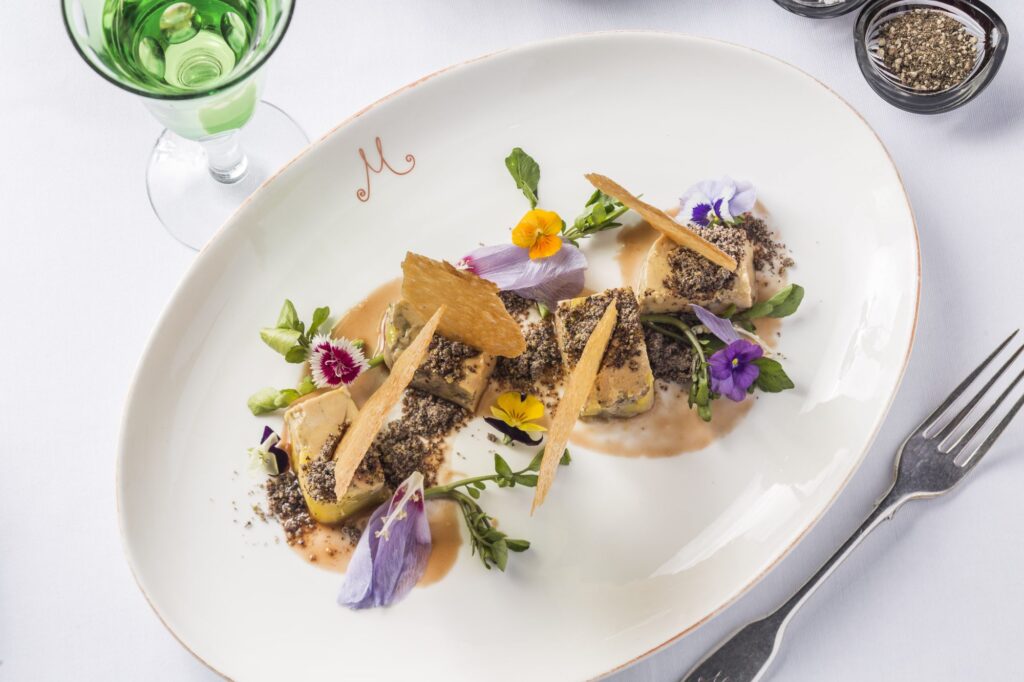
In many ways, we’ve been consistent to what we were in the beginning. I think the city has changed around us, and we aren’t very gimmicky. You know, I don’t really like gimmicks. Actually, I’ve struggled with that. I’ve really struggled with whether we should be more gimmicky. How do we manage in this changing environment? I think the styles of food have changed a lot, as things have gone in and out of fashion. But our food has always been classical, yet modern. The essence of our food hasn’t really changed since we started doing restaurants.
So I think that for me, personally, as the leader of M on the Bund, I think that what’s changed is things around us, and we have been a consistent thing. But of course you change all the time, you develop, you grow. But in many ways, things look the same to a customer, but you’re constantly changing. You’re changing your menus, you’re changing people, you’re changing ideas, your whole philosophy develops… For us, we’ve done so many things, we’ve had this cultural role to play in the cultural development of Shanghai too. We were the first independent restaurant dining experience at an international level. We weren’t something that could be easily defined. What defines M on the Bund and how we have changed is that we are always changing, but in many ways we are a constant.
在过去的20年中,随着上海和外滩的迅速变化,外滩上的M发生了怎样的变化?
从很多方面来说,我们一直与最初保持一致。我认为这座城市已经在我们周围发生了变化,并且在许多方面,我们并不是很花哨。你知道,我真的不喜欢花里胡哨。实际上,我为此挣扎。我真的为我们是否应该变得花哨而苦恼。在这种不断变化的环境中,我们如何进行管理?我认为随着时代日新月异、流行的事物每日更替,食物的风格已经大不相同。但我们的食品一贯是经典,也同样是新潮的。我们自从经营饭店至今从未改变过我们食物的本味。
因此,我个人认为,作为外滩M的负责人,我认为改变围绕着我们四周,而我们一直也一贯如此。但是,当然,您一直都在变化、发展和成长。但是,从很多方面来说,客户看起来都是一样的,但是您在不断变化。您正在改变菜单,正在改变人们,正在改变观念,整个哲学都在发展……对于我们来说,我们做了很多事情,我们在文化发展中扮演着文化角色。上海也是。我们是第一家具有国际水准的独立餐厅。我们不是很容易定义。定义外滩M是什么以及我们如何改变,我们一直在变化,但在许多方面,我们是一个常数。
Have you brought any uniquely Australian influences into your restaurant’s food, decor, or overall experience?
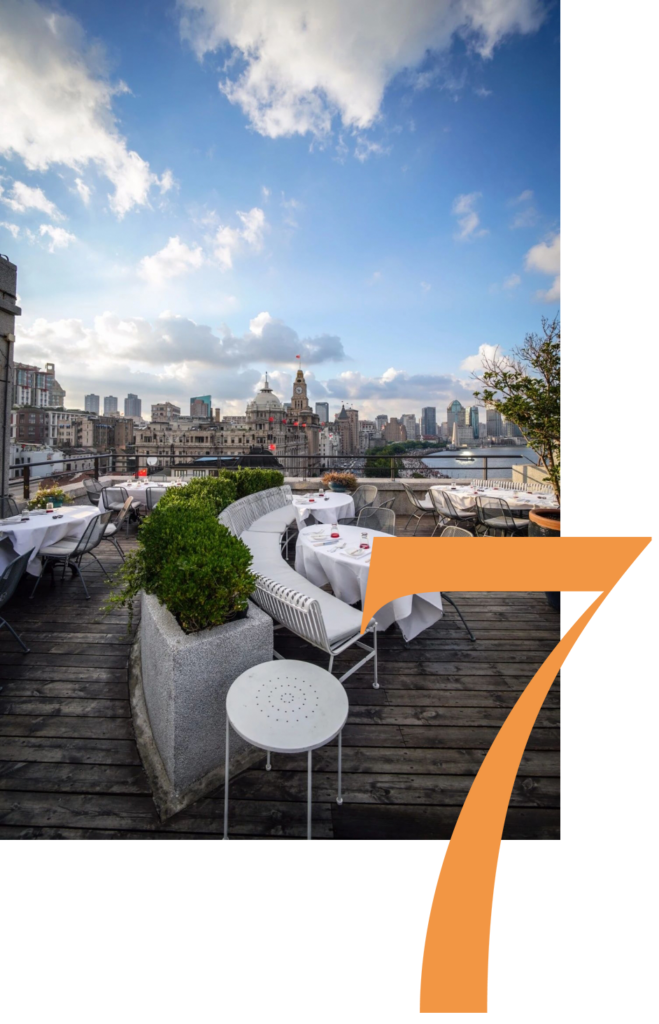
The two people who designed M on the Bund are Australian and worked for an Australian company when they first did it. What is Australian about it is the openness and not rigidity of design. You don’t have to follow any one path, and that’s what Australia is! It’s a melting pot with people of all cultures. It has a lot of influences. It’s big, and it’s open. When we first got the space, there was one small door and one small window onto the terrace. There was a wall, but now you walk in and it’s all glass. The main feature was the outside, not the inside, so the room had to feel comfortable, and light, and take your attention out rather than bring it in. Maybe if I had had American designers I would’ve had something similar, but I think if I used French or local designers, it would have looked completely different. I didn’t want it to be a rehash of 1930s Shanghai, and that was what everybody expected us to do. I wanted to do a modern, but elegant restaurant that felt comfortable, that referenced the glamorous past. That is what I wanted.
您是否在餐厅的食物,装饰或整体体验中引入了独特的澳大利亚特色?
设计外滩M的是两个澳大利亚人,他们刚开始在一家澳大利亚公司工作。澳大利亚人对设计的看法是开放性而不是刚性。您不必遵循任何一条路径,这就是澳大利亚!这是一个融合了各种文化的人的大熔炉。它影响很多。它很大,而且是开放的。当我们第一次进入空间,露台上有一扇小门和一扇小窗户。有一堵墙,但是现在你走进去,实际上全是玻璃。该功能位于室外,而不是室内,因此房间必须舒适,光线充足,并要引起您的注意而不是将其引入。也许如果我有美国设计师,会有类似的效果,但是我想如果使用法国或当地设计师,那就看起来完全不同了。我不想让它成为1930年代上海的狂欢,那是每个人都希望我们做的。我想做一家现代,雅致,舒适并参考了辉煌过去的餐厅。那才是我想要的。
What has been the most interesting or unique customer interaction you’ve had?
One of the things that really stands out to me, right at the beginning, there were all of the worries that some bigwig would call me and say, “I want to sit at that table. I don’t care who those people are, get rid of them.” That has never happened, never. I was so worried about how we would deal with these people in power, because there was this idea that these people in power could push anyone around, but that never happened.
But, I remember there was this one older Shanghainese man who came in while I was standing at the reception desk, and walked in and pushed past everybody. This man walks out onto the terrace, and says to the person he’s with, “Look at this, look at this place! Look at what we Shanghainese can do!” And I felt like saying to him, “What the hell did you have to do with it?! You didn’t do any of this!” But of course I didn’t say anything. My first reaction was: who are you to take credit for what I’ve nearly killed myself doing? But my second reaction was: this is sort of so sweet. In some ways, it was… a pat on the back. Here is this old Shanghainese guy who was very proud. In some ways it was a real acknowledgement. It was really early on, and I remember thinking after being offended for a minute, that oh, this might be a really good thing, this reaction from this guy. So, this is one of the things that really stands out to me. I’ll always remember it.
您尽力过最有趣或最独特的客户互动是什么?
一开始我很担心会有大人物和我说,说:“我想坐在那张桌子旁。我不在乎那些人是谁,远离他们。”但那从来没有发生过。我非常担心该如何与这些有权有势的人打交道,因为总有人人为大人物可以推动任何人到处走,但那从未发生过。
但是,我记得我曾经站在前台的时候,有一位老上海人,走进来,推开所有人。这个人走到露台上,对与他在一起的人说:“看看这个,看看这个地方!看看我们上海人做的!”我想对他说:“您到底要怎么做?!您什么都没做!”但是我当然什么也没说。我的第一反应是:您凭什么抢我付出生命做的事情的功劳?但是我的第二个反应是:这真是太好了。从某些方面来说,这是……一种赞许。这是一个非常自豪的上海老人。或许在某些方面,这是一个真实的认识。那是很早时,我记得在被冒犯了一分钟后,我想,哦,这个家伙的反应可能是一件好事。因此,这是对我真正突出的事情之一。我会永远记住的。

What lasting impact do you hope to create within Shanghai’s restaurant industry?
I think we have already had an enormous impact on international dining in China. Moving forward, I think the principles and ethics I have as a business owner for the restaurant industry are the sense of hospitality, and that you have to give back into the community, you can’t just take. You have to be responsible as a restauranteur for the supplier of goods, for the variety of the suppliers, for the produce that you buy. You have to be responsible for all of that; you can’t expect the customer to be responsible for that. All of my philosophy is that the most important thing about a restaurant is a sense of hospitality. At the end of the day, hospitality is about the people you work with. Therefore, people delivering the hospitality have to be people you are very comfortable working with, and also people who make customers feel comfortable. It’s a type of family.
Also, a completeness. A restaurant has to actually do all of the things at the level that it purports. You can’t just focus on the food and have terrible service, and you can’t just focus on design and not have good food. You have to have everything; you have to have a clean kitchen, a good supply chain, no matter if you’re doing a noodle shop or a high end restaurant. You need good food, a standard of cleanliness that cannot be questioned, good service to the best of your ability with friendly staff. The most important thing is that they’re friendly. You need to have comfortable surroundings, no matter how beautiful or simple they are, you need to have all of those things. And no single aspect alone can make a restaurant.
The restaurant industry is almost all white guys, even in Shanghai, so women have had to fight harder to make it. In such a sexist industry, I really hope that the other impact I’ve had is to show that as a single woman, without a husband, I have been able to run, manage, maintain, and have an enormous influence on the restaurant business in a big country. And I hope I’ve been a role model for women and for other people in restaurants that this is a holistic thing. And I hope all of those principles remain somewhere there.
您希望对上海的餐饮业产生怎样的久远影响?
我认为我们已经对中国的国际餐饮业产生了巨大影响。展望未来,我认为我作为餐饮企业业主所持有的原则是热情好客。您必须回馈社会,而不能一味索取。作为一个餐厅老板,您必须对商品的供应商、对供应商的种类、对你所购买的产品负责。您必须对所有这些负责;您不能指望客户对此负责。我持有的理念就是热情好客。最终,热情好客是指同事之间能够互相关心,互相支持,然后一同来招待客人,就像一个大家庭。
其次,完整性。一家餐厅必须去做按照它宣传的水平的事情。您不能只专注于食物缺又提供糟糕的服务,也不能只专注于设计而不是美食。您必须两者兼具;无论您是在面条店还是高档餐厅,都必须拥有干净的厨房,良好的供应链。您需要优质的食物,无可争议的清洁标准,以及友善员工尽其所能提供的优质服务。最重要的是他们要很友善。您需要拥有舒适的环境,无论它们多么美丽或简单,都需要拥有所有这些东西。单独某个方面无法独自打造一家餐厅。
甚至在上海,餐饮业也几乎都是白人男子驾驭,所以女性需要更努力地精通此行业。在这样一个如此性别歧视的行业中,我真的希望我所产生的另外一个影响是,作为一个没有丈夫的单身女性,我能够在一个大国家来经营、管理、维护餐厅并对餐饮业有巨大影响。我希望我成为女性和餐厅里其他人的榜样,这是一个整体。我希望在这里保留我所有的原则。
You can visit M on the Bund at 7F, No. 5 The Bund, Shanghai.
Interview conducted by Jennifer Cheung of MDS.
If you would like to nominate someone to be featured in the Moxie Series next, please reach out to marketing@metricdesign.net.
The Moxie Series is an interview series by MDS that shines a spotlight on innovative female entrepreneurs, creators, and trailblazers making waves in China. We asked them for behind the scenes insight onto their inspirations, work experiences, and hopes for the future
Metric Design Studio (MDS) is an award-winning, independently owned integrated digital agency in Shanghai. We specialize in web design & development, graphic design, e-commerce management, and WeChat solutions.




Leave a comment